Why Gaya Ji is a Must-Visit Destination for Pind Daan and Pitru Paksha Mela
Gaya Ji, nestled in the heart of Bihar, holds an unparalleled place in the spiritual and religious landscape of India. Revered as one of the holiest pilgrimage destinations in Hinduism, it is famously known for the ancient ritual of Pind Daan — a sacred offering to ancestors, performed with deep reverence and tradition. Every year, lakhs of devotees from across India and abroad visit Gaya Ji, especially during the auspicious Pitru Paksha Mela, seeking salvation for their forefathers and peace for their own spiritual journeys.
In this detailed guide, we’ll explore the religious, cultural, and heritage significance of Gaya Ji and why it continues to be a timeless spiritual hub in India. This article also provides helpful insights into travel planning, rituals, places to visit, local experiences, and essential services for pilgrims.
1. The Sacred Ritual of Pind Daan: A Gateway to Salvation
At the heart of Gaya Ji’s spiritual appeal lies the Pind Daan ceremony — a deeply significant ritual in Hinduism believed to liberate the souls of ancestors (Pitrs) and grant them moksha (salvation).
What is Pind Daan?
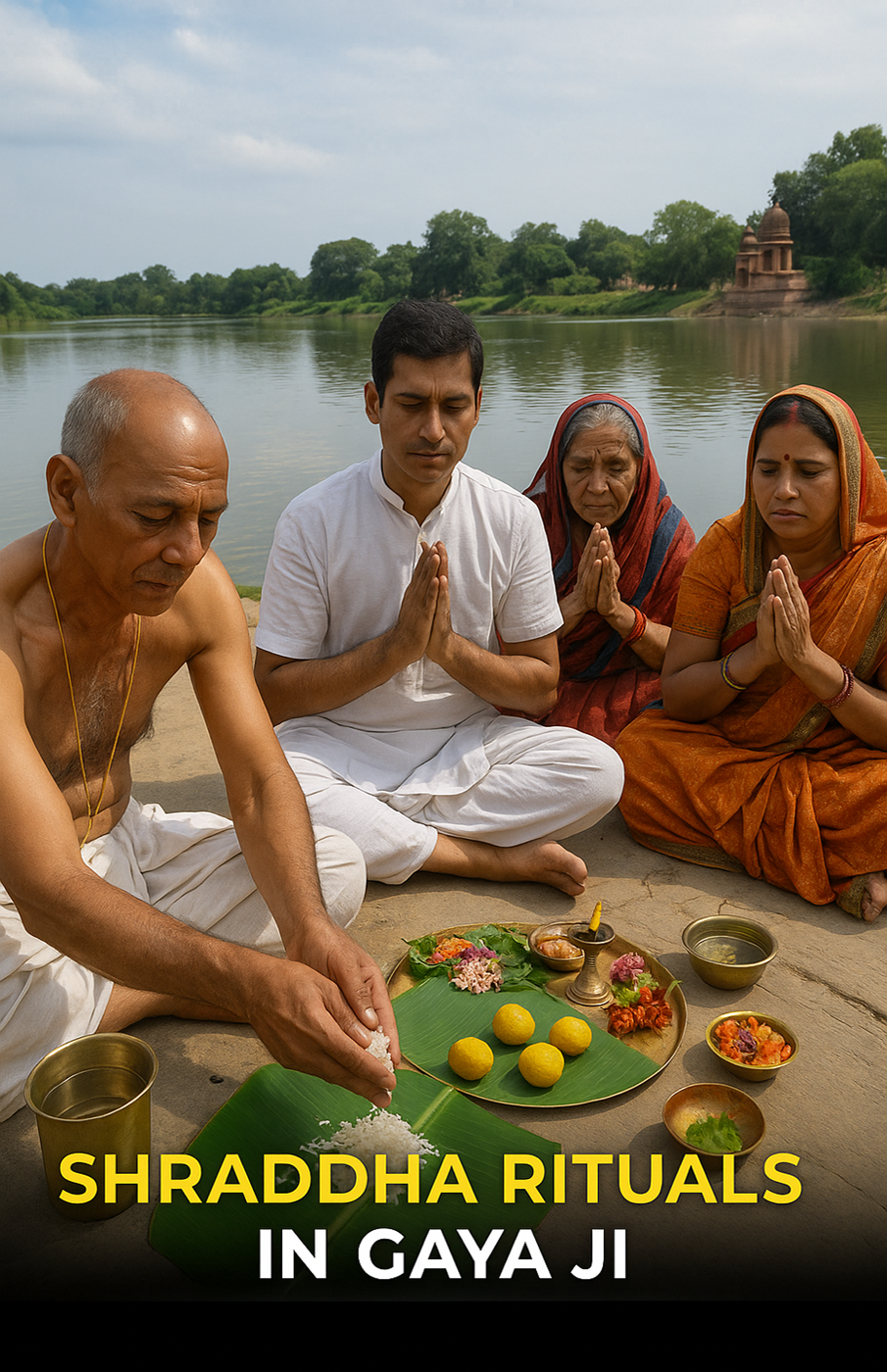
Pind Daan is a sacred act of offering rice balls (pindas), black sesame seeds, and water to ancestors. According to Hindu scriptures, it is only in Gaya where Pind Daan performed with pure intention ensures the liberation of departed souls. This act of Shraddha is a combination of rituals that involve the guidance of experienced Gayawals (local Brahmin priests).
Shraddha Rituals and the Importance of Gayawals
The ritual is incomplete without the assistance of the Gayawal priests — a hereditary class of Brahmins in Gaya known for preserving and passing down the rituals through generations. Each family is typically assigned a specific priest (based on their gotra or lineage), who maintains registers (pustikas) dating back hundreds of years.
These rituals include:
-
Pind Daan at Falgu River
-
Offering Tarpan (water and sesame)
-
Ritual chants and fire offerings (havan)
The spiritual environment, the disciplined conduct of rituals, and the priestly devotion contribute to the deep emotional and spiritual connection pilgrims feel during the process.
2. Pitru Paksha Mela: A Sacred Annual Gathering
The Pitru Paksha Mela is an annual spiritual fair held during the dark fortnight (Krishna Paksha) of the Hindu month of Ashwin (usually in September–October). For fifteen days, Gaya becomes a vibrant religious hub, witnessing the arrival of pilgrims from different states of India — Maharashtra, Gujarat, Tamil Nadu, Bengal, Odisha, and even NRIs from Mauritius, Fiji, Nepal, and the UK.
What Makes the Mela Special?
-
Massive Scale: Lakhs of people converge for ancestral offerings.
-
Ritual Zones: Areas like Falgu Ghat, Vishnupad Temple, Akshayavat, Pretshila, and Phalgu River banks become ritual hotspots.
-
Spiritual Energies: Devotees believe ancestors come down to bless their kin during Pitru Paksha.
-
Priestly Coordination: The entire ritual framework is organized systematically with the cooperation of temple trusts and district administration.
Crowd and Safety Management
With such large influxes, managing the crowd becomes critical. The Gaya district administration, local police, and temple committees work round the clock to ensure:
-
Barricading at major ghats and roads
-
Queue systems for Vishnupad darshan
-
Ambulance and medical camps at strategic locations
-
Information booths and translation services for foreigners
3. The Religious Significance of Vishnupad Temple and Falgu River
Vishnupad Temple: The Soul of Gaya
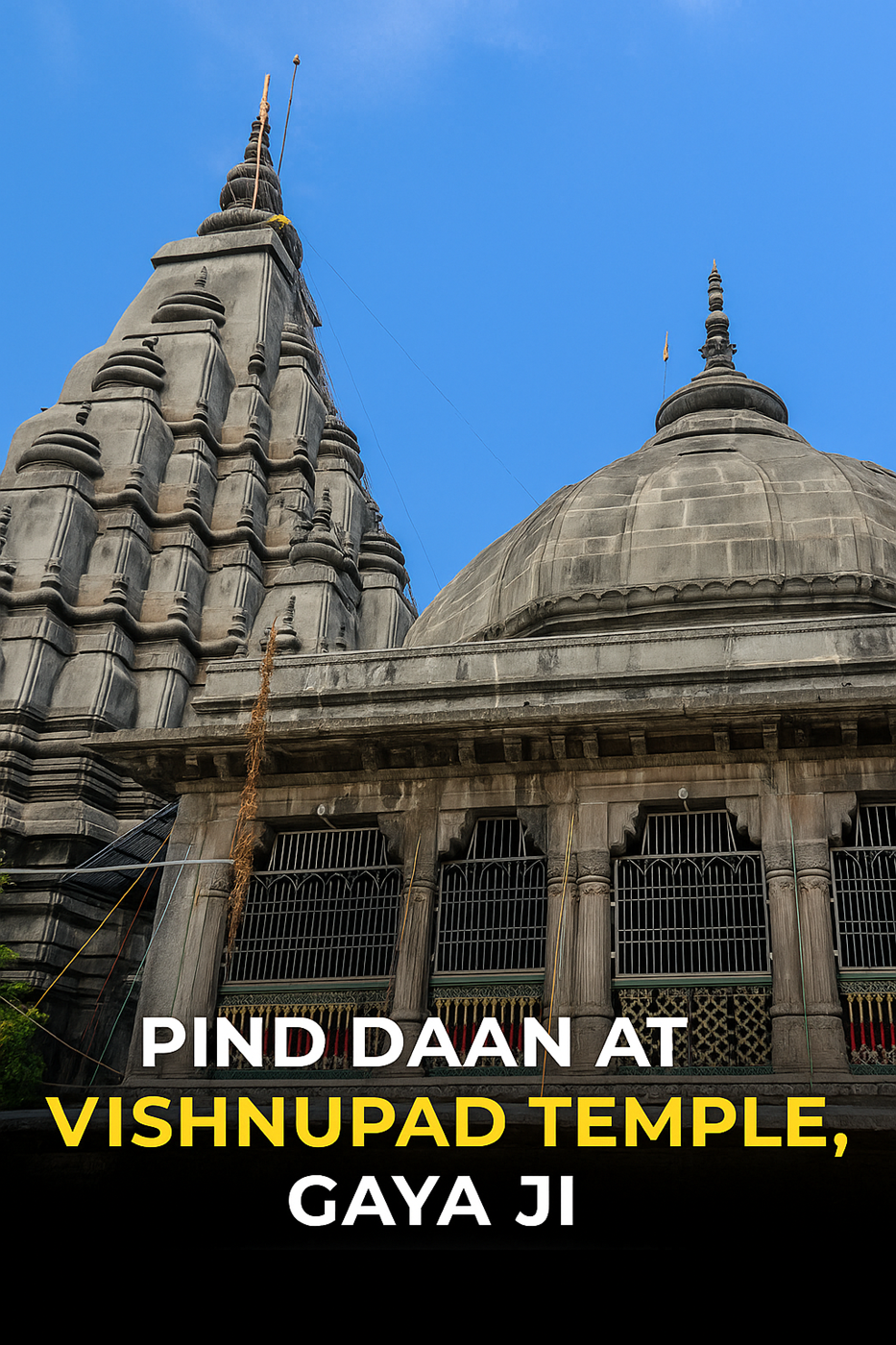
The 220-year-old Vishnupad Temple is believed to be built over the footprint (dharmapada) of Lord Vishnu. According to mythology, Lord Vishnu subdued the demon Gayasur by placing his foot on him, resulting in salvation for the demon and turning Gaya into a holy site for Shraddha rituals.
Highlights of Vishnupad Temple:
-
Octagonal structure made of gray granite
-
Footprint of Lord Vishnu engraved in a silver-plated basin
-
Priesthood rights exclusively held by Gayawal Brahmins
-
Chants of Vedic mantras and bells reverberating with divine energy
Falgu River: A Mythical Lifeline
The Falgu River, often dry on the surface but flowing underground, has its own legend. It is said to be cursed by Goddess Sita when she was left alone to perform Pind Daan for Dasharatha (Lord Rama’s father) in Ramayana times. Today, the dry riverbed is still used to perform the rites.
Notable Ritual Sites on Falgu River:
-
Sitakund: A sacred ghat where Sita performed Pind Daan
-
Brahma Kund: A holy tank associated with Lord Brahma
-
Pretshila Hill: A site for pacifying restless souls
4. The Broader Religious Canvas: Mangla Gauri and Bodhgaya
Mangla Gauri Temple
Located on a small hill near Gaya, the Mangla Gauri Temple is dedicated to Goddess Shakti and is one of the 18 Maha Shaktipeethas. It is believed to be the site where the breast of Goddess Sati fell, making it a powerful Shakti shrine. Women especially flock here during Navratri for blessings.
Bodhgaya: A Buddhist Spiritual Epicenter
Just 12 km from Gaya, Bodhgaya is the site of Lord Buddha’s enlightenment under the Bodhi Tree. Pilgrims often combine their Gaya Pind Daan journey with a visit to:
-
Mahabodhi Temple (UNESCO World Heritage Site)
-
Thai, Bhutanese, and Japanese Monasteries
-
The Giant Buddha Statue (80 feet)
This twin spiritual trail — Gaya for Hindu rites and Bodhgaya for Buddhist enlightenment — makes the region uniquely powerful.
5. Cultural and Heritage Attractions Around Gaya
Gaya is not just a religious destination; it also boasts historical landmarks, nature spots, and vibrant local life.
Top Heritage Sites
-
Barabar Caves: India’s oldest surviving rock-cut caves, dating back to 3rd century BCE.
-
Dungeshwari Hills: Associated with Buddha’s penance before enlightenment.
-
Vishnupad Ghat Streets: Full of temple bells, sweet shops, and spiritual bookstores.
Hill Spots and Natural Getaways
-
Brahmayoni Hill: Offers panoramic views of the city and temples.
-
Pretshila Hill: Spiritual site and trekking point.
-
Tankupa Hill: Known for archaeological remains.
Local Food and Culture
-
Traditional Offerings: Litti-Chokha, Khaja, Pedas, and Boondi are must-tries.
-
Fairs and Folk Events: During the Pitru Paksha Mela, cultural troupes perform Bhojpuri devotional songs, street dramas, and Ramayana recitals.
6. Interfaith Harmony: Hinduism and Buddhism in Gaya Region
Gaya region represents a beautiful confluence of Hindu and Buddhist philosophies. While Hinduism focuses on liberation through ancestral offerings, Buddhism emphasizes personal awakening through meditation.
Key Points of Connection:
-
Shared geography of salvation (Moksha) and enlightenment (Nirvana)
-
Pilgrim corridors between Vishnupad and Mahabodhi temples
-
Seasonal retreats and teachings by monks and Hindu scholars
This spiritual symbiosis draws seekers from across religions, ages, and backgrounds.
7. Itinerary Guide for Gaya Pind Daan Pilgrims
Here is a suggested 2–3 day itinerary for those planning to perform Pind Daan and explore Gaya:
Day 1: Arrival and Ritual Preparation
-
Check-in to hotel or guesthouse
-
Meet assigned Gayawal priest (pre-arranged or via hotel)
-
Visit Falgu River and Sitakund
-
Perform initial rituals
Day 2: Main Pind Daan Ceremony
-
Visit Vishnupad Temple early morning
-
Perform full Pind Daan with puja and offerings
-
Visit Mangla Gauri and Pretshila Hills
Day 3: Bodhgaya Visit
-
Travel to Bodhgaya (30 mins)
-
Explore Mahabodhi Temple, monasteries
-
Optional meditation session
-
Return or continue to Nalanda/Rajgir
8. Essential Services: Taxi and Hotel Options for Pilgrims
Taxi Services for Pind Daan Visitors
Several local operators offer dedicated pilgrimage taxi services, including:
-
Pickup/drop from Gaya Junction, Airport, or Bodhgaya
-
Half-day and full-day local tour packages
-
Customized group services with multilingual drivers
Example Pricing:
-
Sedan (4-seater): ₹3500 – ₹4500/day
-
SUV (7-seater): ₹4500 – ₹5500/day
Trusted Operators:
-
Shyam Sawariya Taxi Services
-
Gaya Darshan Cabs
-
Bodhgaya Car Rentals
Hotel Recommendations
Hotels often tie-up with local priests and offer:
-
In-house ritual packages
-
Special food during Shraddha (satvik bhojan)
-
Pooja kits and priest contacts
Popular Hotels:
-
Hotel Vishnu Vihar (near Vishnupad Temple)
-
Bodhgaya Regency Hotel (luxury)
-
Ajatsatru Guest House (budget)
Conclusion: A Journey of Faith, Legacy, and Liberation
Gaya Ji is not just a spiritual destination — it is a bridge between generations, a place where one performs sacred duties for ancestors, and a city that connects life and death, rituals and beliefs, Hinduism and Buddhism. From the sacred waters of the Falgu River to the echoes of Buddhist chants in Bodhgaya, the air of Gaya is filled with divine energies and timeless devotion.
Whether you’re coming to perform Pind Daan, explore ancient heritage, or find peace in your soul, Gaya Ji welcomes you with open arms and eternal blessings.