
Exploring the Waterfalls of Bihar: Nature’s Untouched Marvels
Introduction Bihar, often celebrated for its ancient history and rich cultural heritage, is lesser-known for a fascinating natural treasure—its waterfalls. Tucked away in the serene hills, rocky terrains, and lush forests, Bihar is home to more than 200 seasonal and perennial waterfalls, many of which remain unexplored gems. From the majestic plunge of Telhar Kund to the serene cascades of Kakolat Falls, each waterfall offers a unique experience that appeals to nature lovers, spiritual seekers, photographers, and adventure enthusiasts alike.
This article provides a comprehensive guide to Bihar’s waterfalls, describing their locations, histories, geological features, local legends, accessibility, and tourism potential in deep detail.
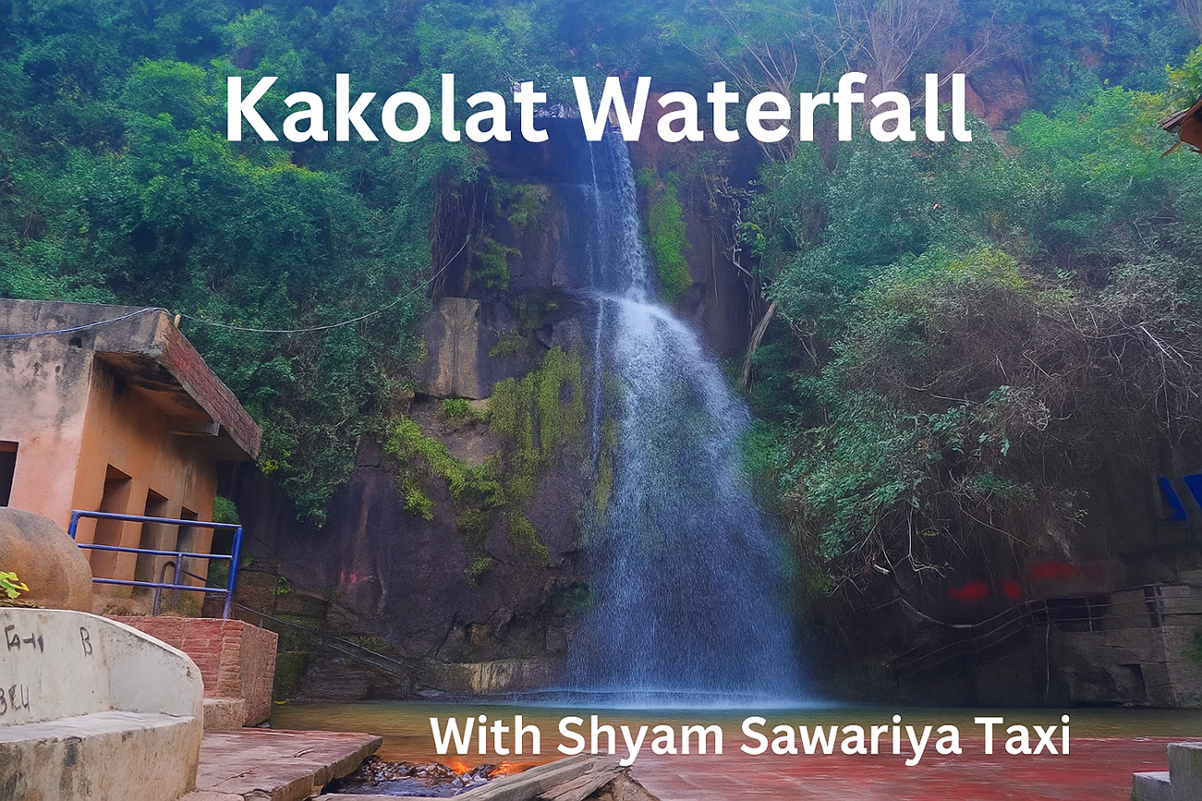
1. Kakolat Waterfall (Nawada District)
Height: Approx. 160 ft
Best Time to Visit: October to March
Nearest City: Nawada (33 km)
Nestled near the Bihar-Jharkhand border, Kakolat Falls is among the most popular waterfalls in Bihar. Surrounded by lush greenery and rolling hills, the waterfall creates a natural pool at its base, making it a favorite picnic spot. Local folklore ties the fall to the Mahabharata era, with legends suggesting that a cursed king turned into a python lived here until freed by the Pandavas.
Today, the site draws thousands during the summer months when the Kakolat Mahotsav—a cultural and religious fair—is held. The site is well-developed, with basic amenities like steps, sitting areas, and nearby shops. The cool waters even in peak summers make it a preferred getaway.
Accessibility: Kakolat is accessible via road from Nawada, Rajgir, and Gaya. The approach involves a short forest trek.
2. Telhar Kund (Kaimur District)
Height: Approx. 262 ft
Best Time to Visit: Monsoon and Post-Monsoon (July to October)
Nearest City: Bhabua (30 km)
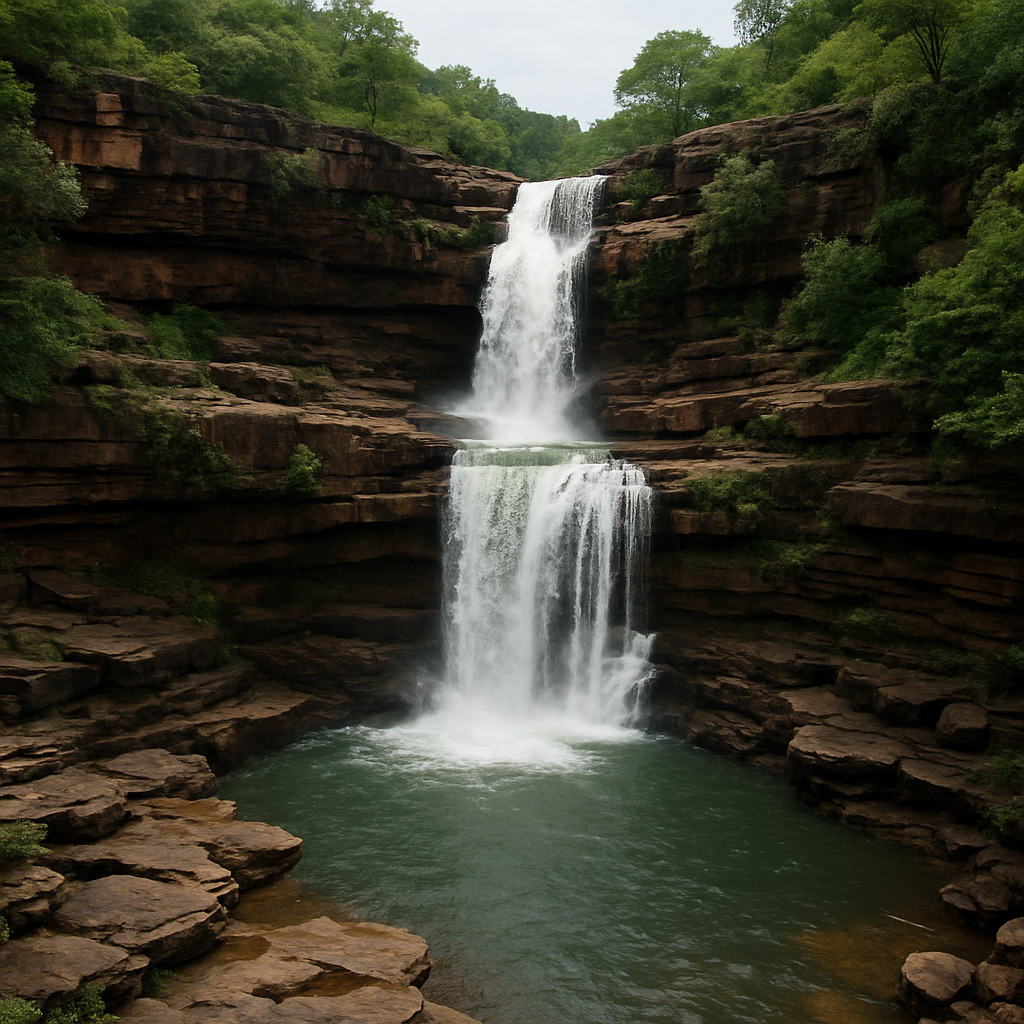
Telhar Kund is located close to the Durgavati reservoir and offers a dramatic waterfall surrounded by dense forest and hills. The waterfall is seasonal, with the highest flow during the monsoon season. It forms a deep plunge pool, though swimming is prohibited for safety reasons.
Apart from its visual charm, Telhar Kund is also an ecological hotspot, home to diverse flora and fauna. Visitors often combine the waterfall trip with a visit to the nearby Durgavati dam and Mundeshwari Temple, one of India’s oldest functional temples.
Accessibility: Best reached by road; local taxis and buses ply from Bhabua.
3. Karkat Waterfall (Kaimur Wildlife Sanctuary)
Width: Approx. 100 ft
Best Time to Visit: August to December
Nearest City: Bhabua (35 km)
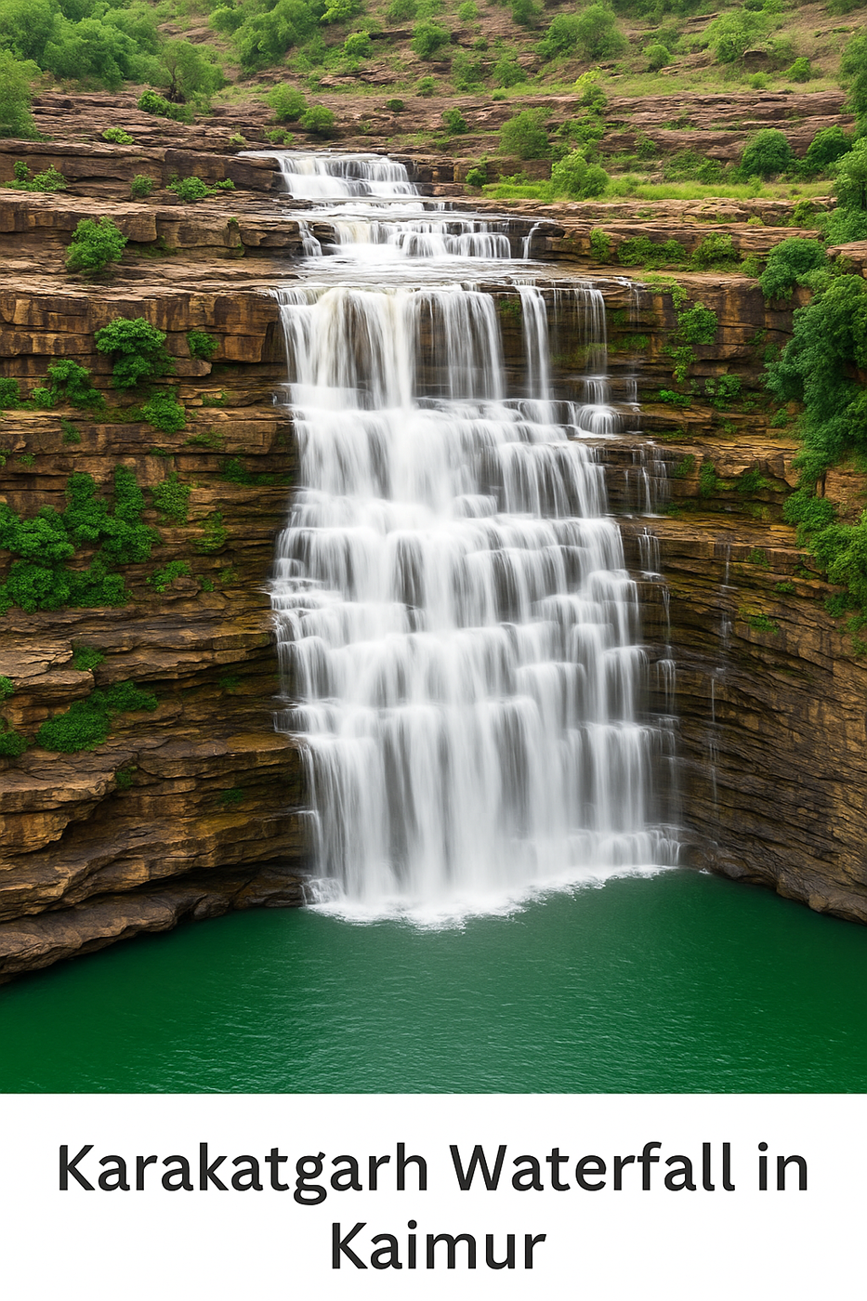
Located deep inside the Kaimur Wildlife Sanctuary, Karkat Waterfall is a pristine site that doubles as a proposed crocodile conservation reserve. The waterfall cascades over wide rocky steps and is flanked by dense sal and bamboo forests.
The sanctuary is a rich biodiversity zone, making this an excellent spot for eco-tourism. Trekking, bird-watching, and forest exploration can be combined with a waterfall visit. The site is still developing, so facilities are minimal but the raw beauty is unparalleled.
Accessibility: Accessible via forest roads; 4×4 vehicles or guided tours are recommended.
4. Dhua Kund (Rohtas District)
Height: Approx. 37 meters
Best Time to Visit: July to February
Nearest City: Sasaram (1.5 km)
Dhua Kund, or “Smoke Spring,” gets its name from the mist that rises continuously from the water due to the pressure and flow. It’s part of a twin waterfall system alongside Manjhar Kund. The fall originates from the Kaimur hills and is a prominent location during the Raksha Bandhan festival, when a large fair is organized.
Dhua Kund also powers a small hydroelectric plant, supplying electricity to parts of Sasaram. The nearby terrain is rocky but accessible, with steps built for visitors.
Accessibility: Located just outside Sasaram, it’s a short walk from the main road.
5. Manjhar Kund (Rohtas District)
Height: Approx. 4.5 meters
Best Time to Visit: July to November
Nearest City: Sasaram
Located near Dhua Kund, Manjhar Kund offers a different kind of experience with its tiered, triple-drop falls. It’s less steep but equally picturesque. The Kund (tank) forms a natural pool that’s used by pilgrims and tourists alike.
The place becomes vibrant post-Raksha Bandhan, as fairs and cultural programs are held. The natural ambiance and cool air make it ideal for a half-day excursion.
Accessibility: Easily accessible via footpaths from Sasaram.
6. Tutla Bhawani Waterfall (Rohtas District)
Height: Approx. 180 ft
Best Time to Visit: September to March
Nearest Town: Dehri-on-Sone
This mystical waterfall is located near the Tutla Bhawani temple, believed to be a Shakti Peetha. Set in a secluded valley, the waterfall appears like a silver ribbon cascading down dark rocks. Pilgrims visit both for the spiritual aura and natural beauty.
The surrounding forest is relatively untouched, offering a haven for solitude seekers and meditation lovers. The area is clean and protected by local communities who revere the site.
Accessibility: Trekking through forest paths is necessary; local guides are available.
7. Kashish Waterfall (Rohtas District)
Height: Approx. 850 ft (Tallest in Bihar)
Best Time to Visit: August to January
Nearest City: Amjhore
Kashish Waterfall is Bihar’s tallest and arguably the most dramatic. Located near Amjhore mines, the fall makes a thundering descent through narrow rock crevices, creating multiple streams that dance their way down.
Not many know about this waterfall due to difficult accessibility, but its sheer size and power make it one of the best hidden gems in Bihar. Adventure seekers often trek here to camp and photograph the untouched landscape.
Accessibility: Remote location; needs guided trek of several kilometers through rocky terrain.
8. Durgawati Falls (Kaimur District)
Height: Approx. 120 ft
Best Time to Visit: Monsoon (July to September)
Nearest Town: Durgawati
Located near the Durgawati reservoir, these falls are often confused with Telhar Kund but are separate and equally magnificent. Surrounded by terraced fields and tribal villages, this spot offers a peek into rural Bihar’s cultural life.
It’s a popular weekend trip for families and students from nearby towns. During monsoons, the site turns into a roaring cascade with a mist-covered atmosphere.
Accessibility: Accessible by road with a short trek from the village.
9. Hanuman Dhara (Rohtas)
Height: Approx. 60 ft
Best Time to Visit: Throughout the year
Nearest City: Sasaram
Named after the legendary Lord Hanuman, this site is both a waterfall and a temple complex. It’s less intense than other waterfalls but its spiritual importance draws devotees. A small cave temple houses an idol of Hanuman, with a stream flowing nearby.
Ideal for senior citizens and families seeking a mix of pilgrimage and nature, Hanuman Dhara provides a peaceful ambiance.
Accessibility: Easy to reach via motorable road.
10. Other Minor Waterfalls in Bihar
- Maniyar Math Waterfall – Lesser-known but scenic fall with religious connections
- Tons Falls (Champaran) – Seasonal fall with trekking trails
- Chandani Dhara (Aurangabad) – Small, picturesque site ideal for a short hike
- Rajpur Falls (Buxar region) – Surrounded by forested hills and village farmlands
Though these may not match the height or grandeur of Telhar or Kashish, they offer peaceful, off-the-beaten-path experiences.
Taxi Services from Patna to Visit Waterfalls in Bihar
Planning to explore Bihar’s enchanting waterfalls from Patna? Hiring a taxi is the most convenient and comfortable option, especially for families, groups, or solo travelers who wish to travel at their own pace. Services like Shyam Sawariya Taxi, Ola Outstation, and local Patna cab operators offer full-day and multi-day rental packages tailored for waterfall tours.
Popular Taxi Packages:
- Patna to Kakolat Falls (round trip) – Sedan AC starting at ₹4,500
- Patna to Rohtas Waterfall Trail (Dhua Kund, Tutla, Kashish) – ₹7,500–₹9,500 (12–14 hours)
- 3-Day Custom Waterfall Tour (Patna – Nawada – Kaimur – Rohtas) – ₹12,000–₹16,000 (AC sedan/SUV)
Benefits of Hiring a Taxi:
- Flexible itinerary with stopovers
- Local drivers with waterfall knowledge
- Doorstep pickup and drop in Patna
- Options of AC Sedan, SUV, or Tempo Traveller
How to Book:
- Visit official taxi service websites
- Call local operators directly
- Use aggregator apps like Savaari, MakeMyTrip, or Shyam Sawariya Taxi
Advance booking is recommended during weekends and holidays, especially in monsoon season.
Tourism Development & Challenges
Despite Bihar’s rich potential in nature tourism, its waterfalls remain underdeveloped. Issues like poor roads, lack of signage, absence of trained guides, and minimal lodging options prevent wider tourist influx. However, the Bihar government has initiated projects under eco-tourism and religious tourism policies to improve access and safety.
There’s immense scope for adventure tourism, spiritual retreats, photography expeditions, and educational tours. With proper investment and awareness, Bihar’s waterfalls can be as famous as those in Kerala or Uttarakhand.
Conclusion
The waterfalls of Bihar are nature’s lesser-known masterpieces. With majestic heights, mythological backstories, and untouched surroundings, they offer a rewarding escape from urban chaos. Whether you’re an adventurer, pilgrim, photographer, or simply a lover of natural beauty, Bihar’s waterfalls invite you to explore their serenity.
In the coming years, as infrastructure improves and more travelers seek authentic, raw travel experiences, Bihar’s cascading jewels are poised to take the spotlight they truly deserve.
Suggested Itinerary (3 Days Waterfall Trail):
- Day 1: Start from Gaya → Visit Kakolat Falls → Overnight at Nawada
- Day 2: Drive to Bhabua → Explore Telhar Kund, Karkat → Camp near Kaimur Sanctuary
- Day 3: Visit Tutla Bhawani & Dhua Kund → Return via Sasaram